Agricultural sulfur: What benefits does it provide to olive groves?
In terms of plant health, sulfur is one of the most effective solutions for combating diseases affecting olive trees, such as sooty mold.
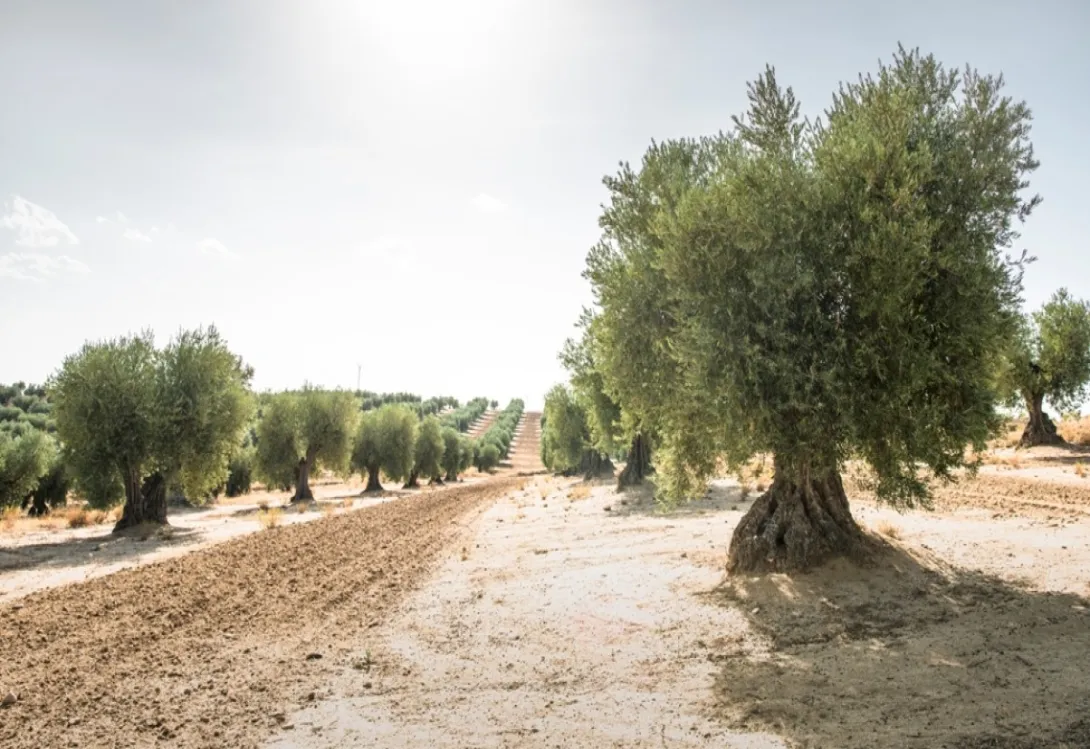
- In terms of plant health, sulfur is one of the most effective solutions for combating diseases affecting olive trees, such as sooty mold.
- As a fertilizer, the use of sulfur helps compensate for the gradual depletion of the soil and promotes the natural uptake of other nutrients.
- The application of sulfur, either foliar or through the root system, is also highly recommended to contribute to the natural biostimulation of olive trees.
Olive cultivation has not traditionally required ‘extra’ or additional applications of agricultural sulfur, as the crop’s requirements for this element were naturally available in its environment.
However, over the years, agricultural soils have gradually become depleted in this respect for a variety of reasons, making controlled sulfur application advisable to support the health, optimal growth and productivity of olive groves in our country.
In this regard, sulfur offers the added value that its application, either foliar or through the root system, can have a triple effect on the plant, acting as a plant protection product, fertilizer and biostimulant, all based on a completely natural, sustainable and ecological product.
For this reason, today we would like to take this opportunity to answer any questions you may have about the possibilities offered by the use of agricultural sulfur in olive groves, exploring individually the benefits it provides in each of these three areas, which are highly important for the plant and, needless to say, for the productivity and profitability of this crop, which is so important and strategic for the future of agriculture in our country.
What properties does sulfur have as a plant protection product in olive cultivation?
In terms of plant health, although agricultural sulfur currently has no proven effect against the most common diseases affecting olive cultivation in our country, such as olive leaf spot (Spilocaea oleagina), it does provide excellent results against other diseases which, although not yet endemic, are increasingly causing damage in the Mediterranean basin, such as sooty mold.
Given this situation, numerous experts consider the preventive use of sulfur-based solutions, such as Azumo MG, advisable to prevent the spread of this and other diseases in our territory.
How does sulfur contribute to olive tree fertilization?
Regarding the fertilization requirements of olive trees, this type of crop is characterized by having relatively low sulfur requirements as a nutrient for optimal growth.
In this respect, their nutritional sulfur requirements are quite similar to those of other essential nutrients such as phosphorus, meaning that application requirements generally range between 3 and 3.5 kilograms per tonne of olive production.
Therefore, the amount of this macronutrient to be applied has the particularity that it should not be estimated based on the hectares of land dedicated to olive cultivation, but rather according to the type of cultivation being carried out, depending on whether a more or less intensive production system is pursued.
At this point, it is essential to highlight the role of fertilizer solutions based on elemental sulfur, such as Afesol, in reducing the pH of the agricultural soil where they are applied, thereby promoting the plant’s natural uptake of the macro- and micronutrients available in the soil microbiota.
Why is the use of sulfur as a biostimulant recommended in olive groves?
Finally, it is important to consider that sulfur-based solutions are widely used and recommended as biostimulants in olive cultivation, particularly those whose formulation combines sulfur with essential amino acids, as is the case with AFEPASA’s SULTECH™ technology.
The wide range of products offered within this product line allows biostimulation through irrigation, preferably with Organosul 20S, to promote root uptake, helping to strengthen olive tree roots while simultaneously improving soil microbiota.
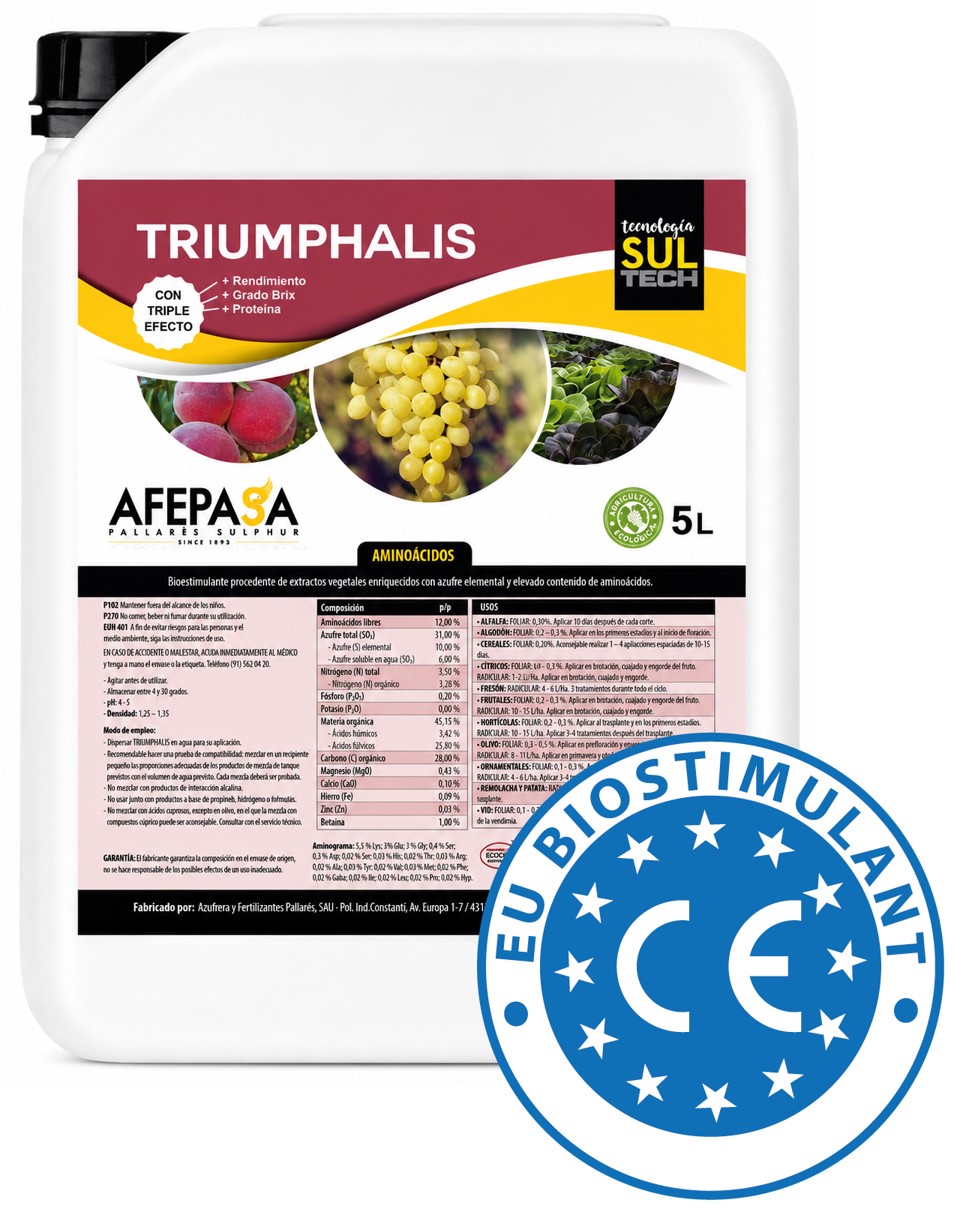
By contrast, foliar application is preferable when the aim is to promote better amino acid uptake by the plant. In this case, we recommend Triumphalis, whose combination of sulfur and organic matter has demonstrated results both in increasing production and in terms of the quantity and quality of the oil contained in the olives. Indeed, according to a study conducted by AFEPASA in olive groves in 2019, the application of Triumphalis resulted in a 25% increase in olive weight and a 23.4% increase in fat content (on a dry matter basis) compared with the control plot, where no biostimulant treatment was applied.
Finally, it should be noted that these biostimulants can be used together with plant protection treatments in olive trees, not only to reduce application costs but also to take advantage of their combined effect and accelerate plant recovery once the pest or disease that prompted the treatment has been eradicated.
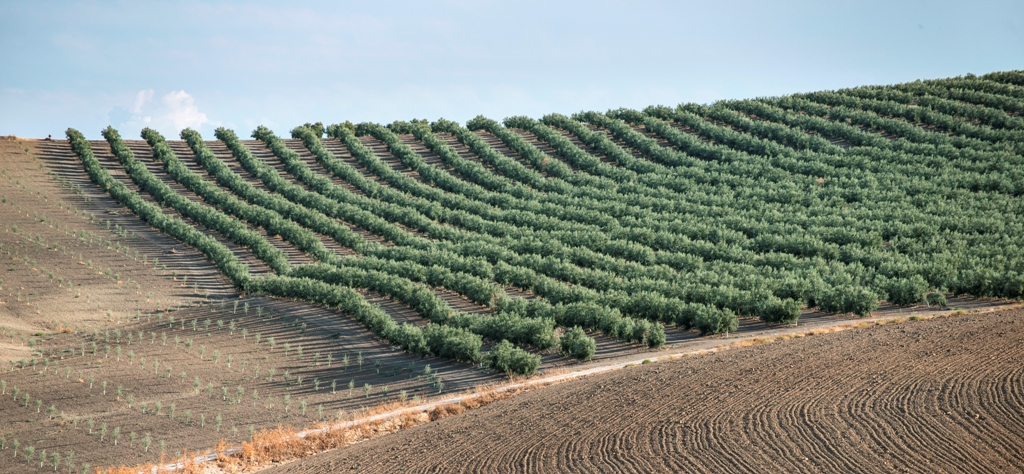
Related products
Biostimulants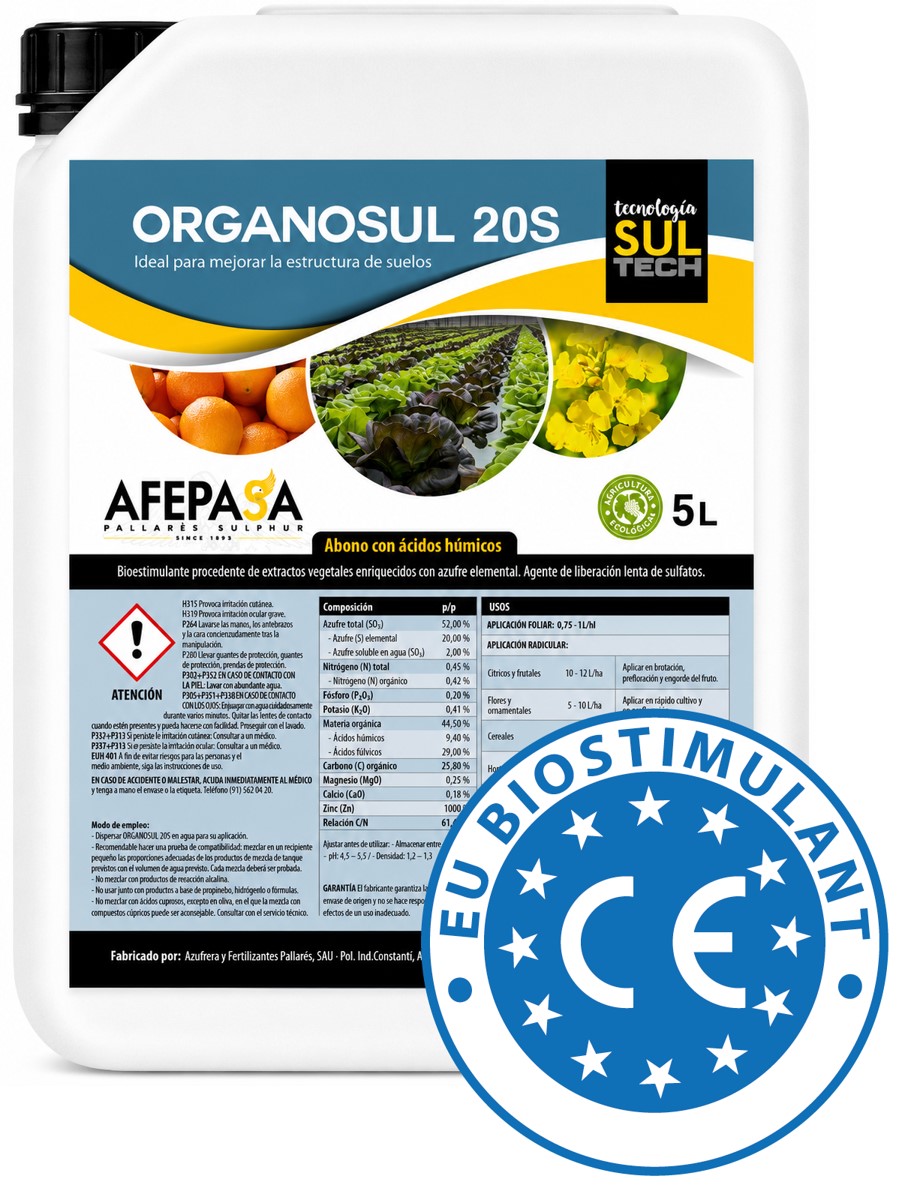 BIOSTIMULANTS
ORGANOSUL 20S
Biostimulant powered by Sultech® technology and humic acids, designed to improve soils…
 BIOSTIMULANTS
TRIUMPHALIS
Foliar biostimulant powered by Sultech® technology, combining plant-derived free amino…
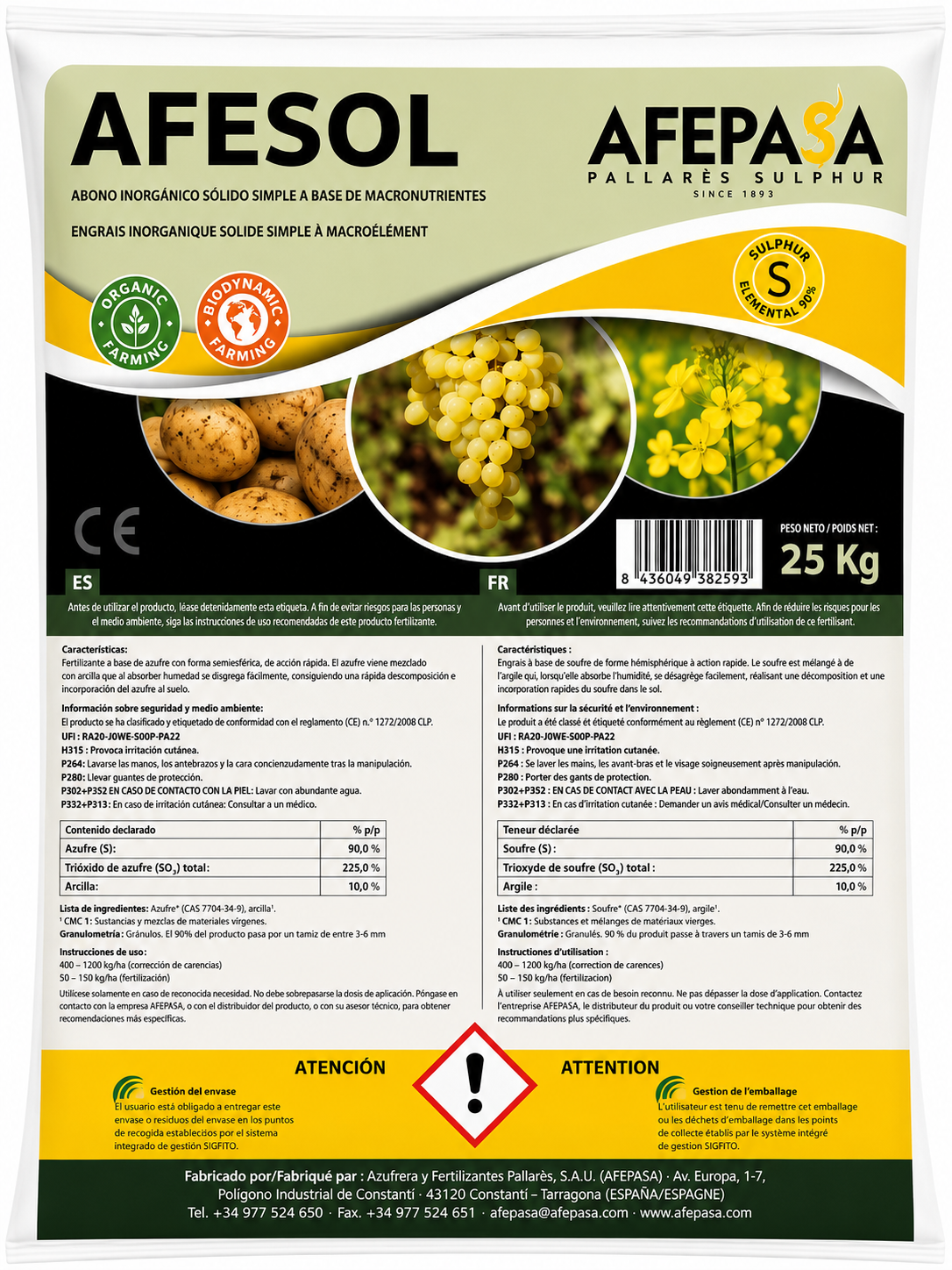 FERTILIZERS
AFESOL
Semi-spherical soil amendment with rapid action. The sulphur is blended with clay, which…
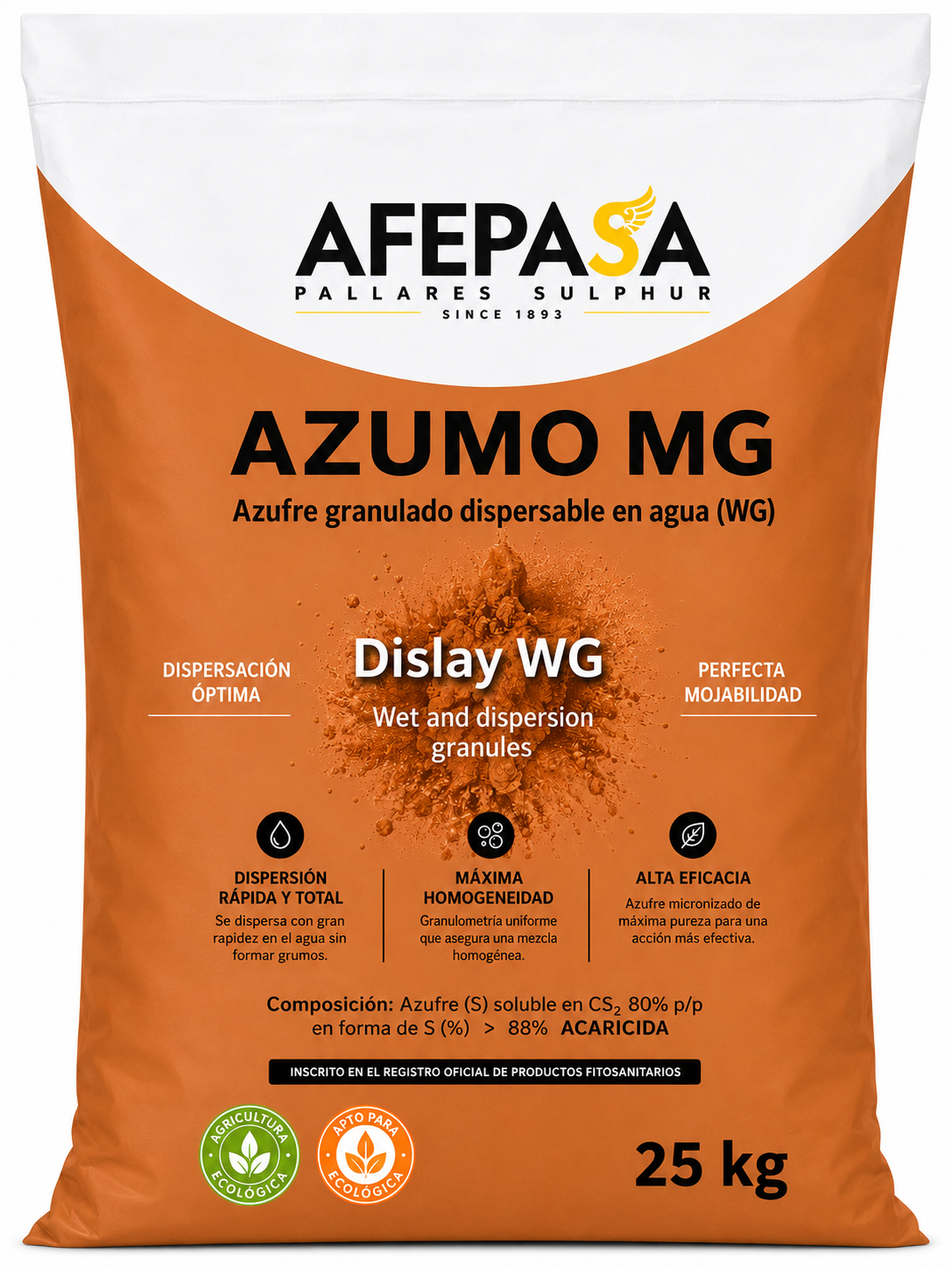 PHYTOSANITARY PRODUCTS
AZUMO MG DISLAY WG - VISUL
Microgranulated wettable sulphur designed to provide effective protection against fungi…